

Engaging Visual Communication
In research-driven and evidence-based environments, visual communication simplifies the complex ideas/concepts that matter. I help teams and leaders translate technical thinking into highly-engaging visuals.
What Visuals Strengthen
Structural Clarity
Visual communication gives form to complex relationships, making underlying patterns and logic easier to see when words alone are not enough.
Group Understanding
In workshops, advisory board meetings, and leadership discussions, visuals provide a shared reference that helps people think together despite different backgrounds or perspectives.
Decision Support
When meaning is visible and well framed, leaders can focus on sound judgment rather than interpretation, supporting decisions that feel grounded and considered.
Context Translation
As ideas move across teams, audiences, or settings, visuals help preserve scientific integrity while making complexity accessible beyond its original laboratory context.
How Visual Communication Supports Real-World Decisions
Visual communication works well for moments where people need to think together around complex material. I support teams by developing effective visuals that help structure conversations, clarify what matters, and keep discussion anchored to the evidence in front of them.
In leadership and advisory board settings, this often means developing slide decks that are built for discussion rather than presentation. For example, mechanism-of-action visuals are used to surface assumptions, compare interpretations, and focus conversation on what the underlying biology implies for risk and opportunity rather than serving as didactic explanations.


In workshops, visuals function as working tools rather than finished deliverables. As ideas unfold, they are captured and structured in real time, helping groups see relationships, tensions, and opportunities as they emerge. This supports deeper exploration and shared understanding before decisions are shaped.

When scientific ideas need to be shared with external stakeholders, visual models help explain nuanced work to stakeholders who are close enough to care, but not immersed in every technical detail.

Route of leukemia metastasis to the ovary
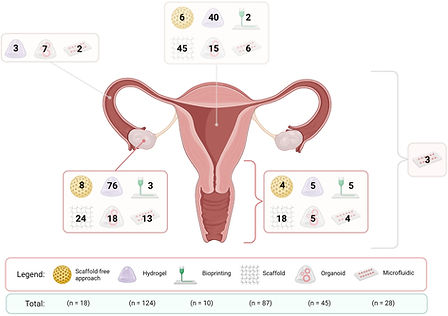
In scientific publications, figures, schematics, and visual summaries help readers understand how findings relate to one another within the broader scientific landscape. Well-designed publication visuals support clarity and credibility without oversimplifying complex work.

My visuals have been featured by


Evidence of Use and Reach
The effectiveness of visual communication is reflected in how often it is taken up and reused. Visual frameworks and templates I’ve developed have been downloaded more than 27,000 times through BioRender, supporting scientists, clinicians, and educators as they communicate their own work.
